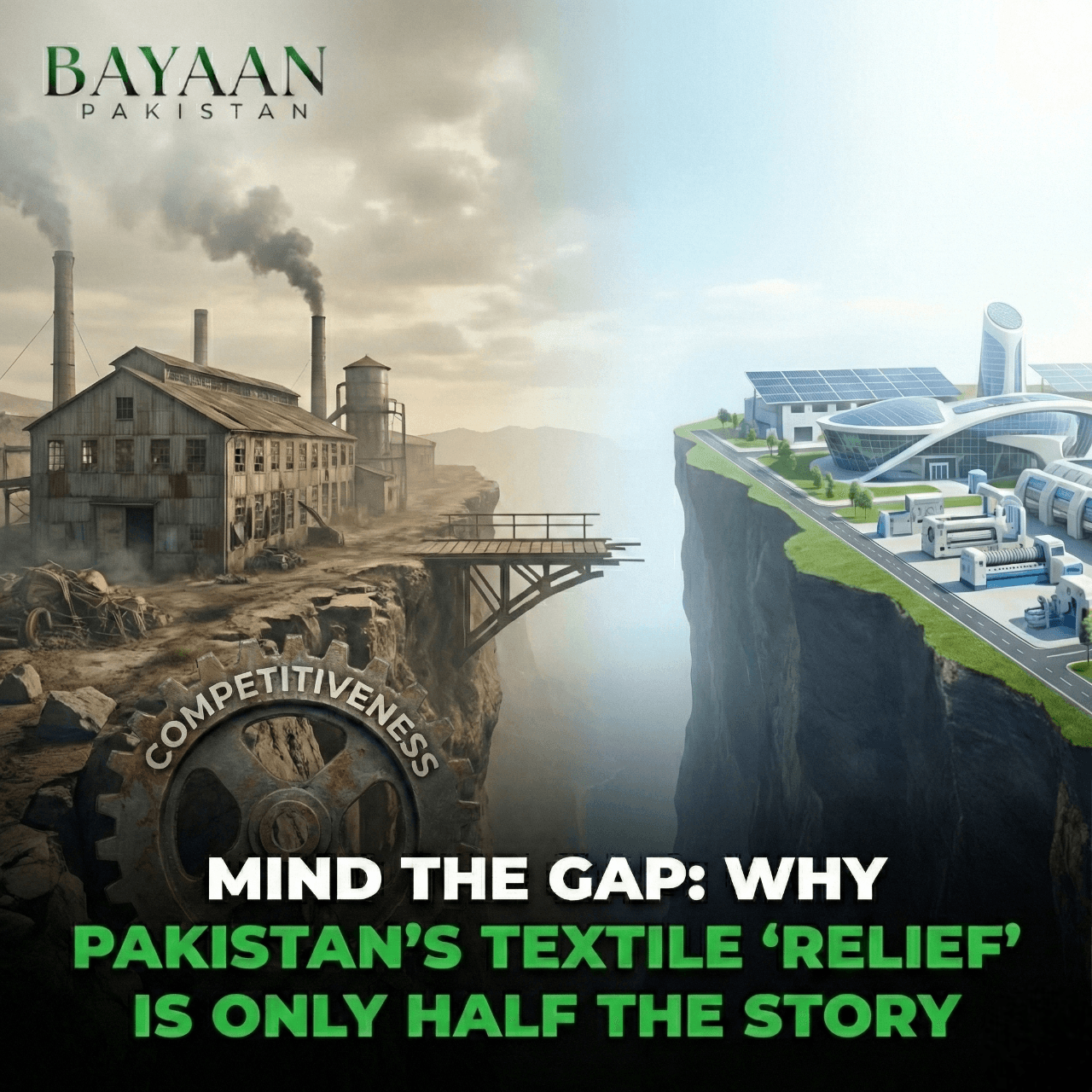
Mind the Gap: Why Pakistan’s Textile "Relief" is Only Half the Story
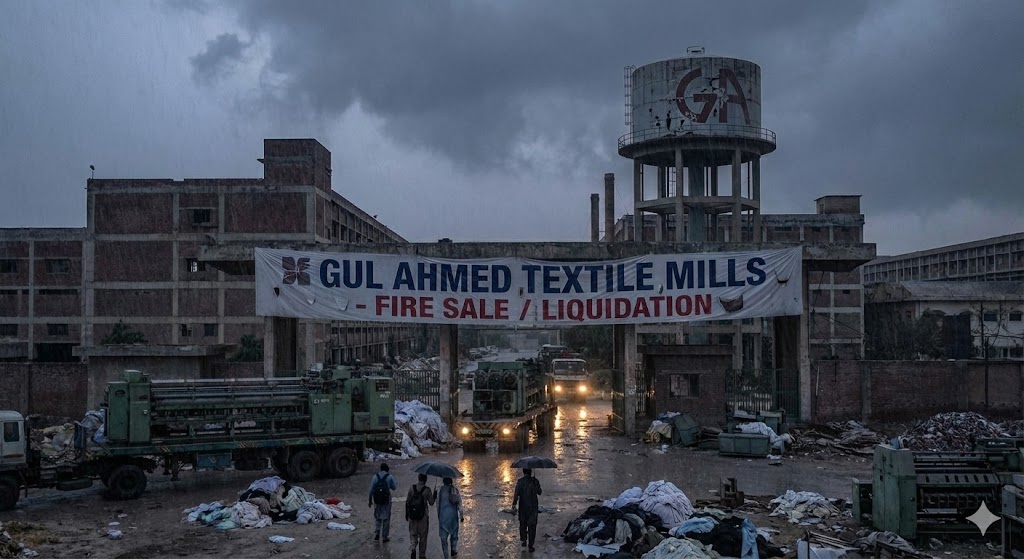
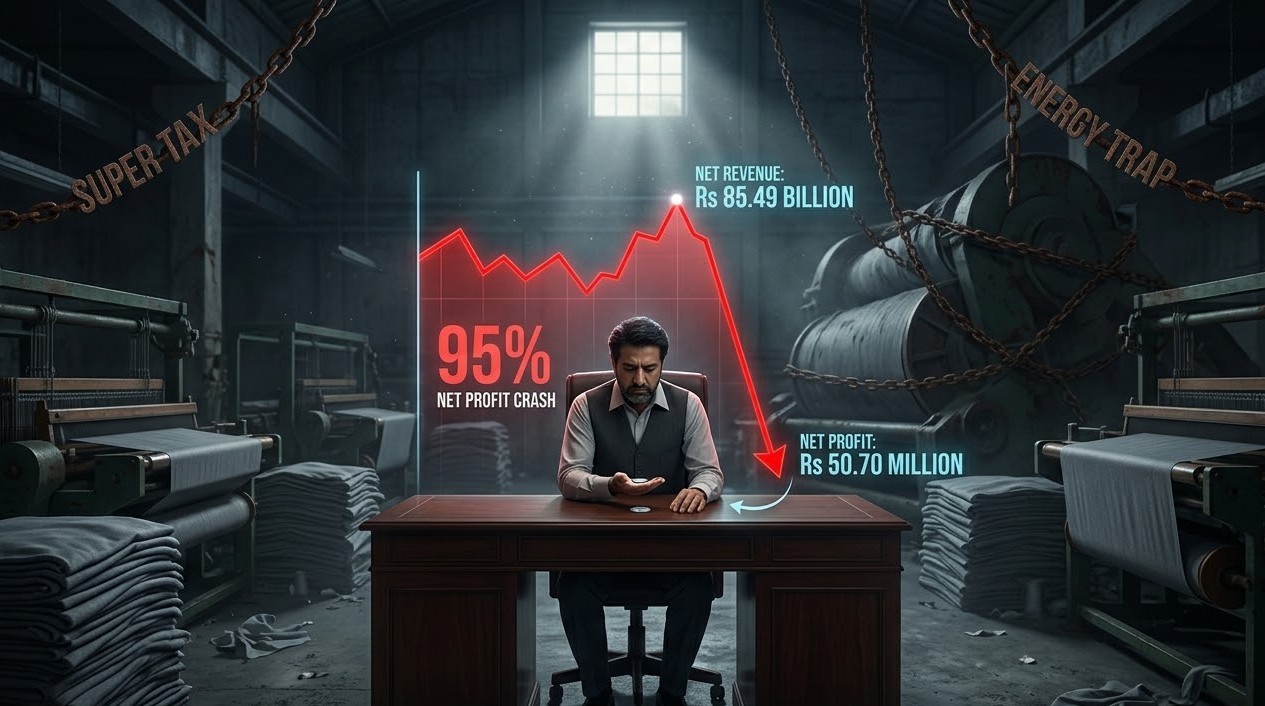
If you’ve been following the recent headlines, you’ve heard the big numbers: a 4 Rupee cut in electricity, a 3% drop in export refinance rates, and the Prime Minister’s personal promise to turn Pakistan into an export powerhouse. On the surface, it looks like a win. But as a recent, deep-dive policy brief titled "The Gap from Reality" points out, the distance between a government announcement and a factory floor is still a very wide canyon.
While industry leaders like Ziad Bashir are cautiously welcoming these changes, policy analysts are warning that we shouldn't confuse "stabilization" with "competitiveness." Here is the reality check on where Pakistan’s textile sector actually stands in 2026.
The Regional Mirage
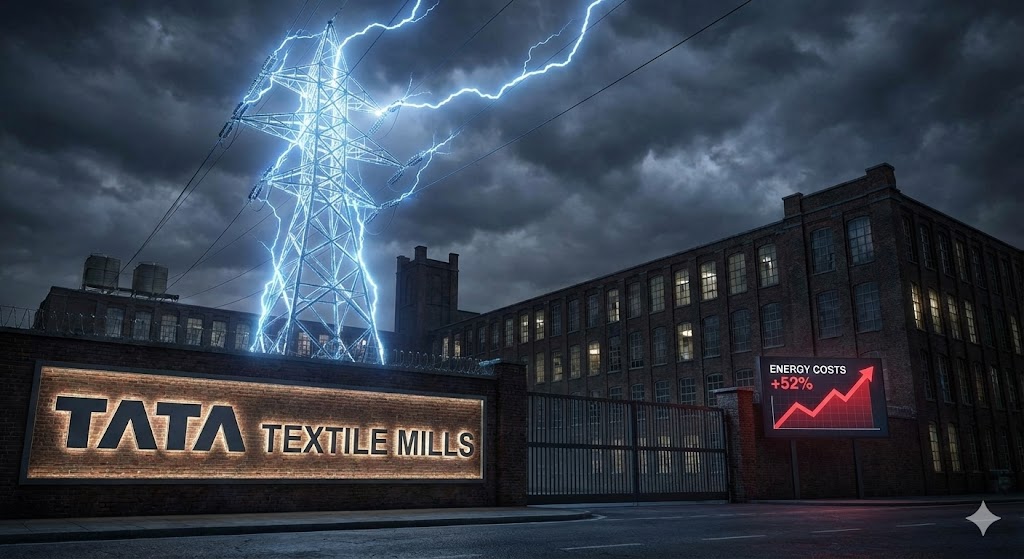
The policy brief highlights a "Competitiveness Gap" that math alone can’t fix. Even with the new industrial rate of 11.5 cents per unit, Pakistan is still fighting a losing battle against the clock. Why? Because our regional rivals—India, Vietnam, and Bangladesh—aren't standing still.
When a factory in India is getting power at 6 to 7 cents, our "relief" rate of 11.5 cents is still nearly double the cost. In the world of global textiles, where a difference of half a cent can win or lose a million-dollar contract, this isn't just a gap; it’s a barrier. The policy brief argues that we are celebrating a "reduction in pain" rather than an "increase in advantage."
The "Hidden" Costs of Doing Business
The LinkedIn brief touches on something Ziad Bashir also hinted at: the "Reality" of taxes and implementation. It’s one thing for the Prime Minister to hold a meeting; it’s another for a small-to-medium exporter to actually see those sales tax refunds hit their bank account.
The policy analysis suggests that the current "effective tax rate"—the total amount of tax an industry pays once you add up all the duties, levies, and local inputs—is still hovering near 60%. When you compare that to the 22% average in rival nations, the "Gap from Reality" becomes glaringly obvious. No amount of "Blue Passports" or ambassador status can compensate for a balance sheet that is bleeding 40% more in taxes than the competition.
Capacity vs. Capital
There is a fascinating debate happening right now between "Idle Capacity" and "New Investment." Ziad Bashir recently noted that 25–30% of our machines are sitting idle, waiting for cheaper power. However, the policy brief pushes further, asking: Even if we turn the old machines back on, can we compete with the high-tech AI-driven factories of China and Vietnam?
The brief argues that Pakistan has under-invested in R&D and technology for over a decade. While we were struggling to pay the electricity bill, our competitors were investing in sustainable, "green" textiles and automated stitching. Reopening an old mill in 2026 is good, but it’s not the same as building a 2026-ready industry.
The Verdict: Growth or Survival?
The policy brief by Hussain offers a necessary "reality check" to the current wave of optimism. Its core message is simple: Relief is for survival; Competitiveness is for growth.
The government’s recent actions have stopped the bleeding. They’ve brought the industry back from the brink of collapse. But to bridge the "Gap from Reality," we need to move beyond 4 Rupee discounts. We need a long-term, ten-year energy policy that isn't tied to the next IMF tranche, a tax net that captures the undocumented sector rather than squeezing exporters, and a massive push for technological modernization.
Staying Informed
Whether you are a stakeholder in the textile sector or an observer of Pakistan’s economy, the message for 2026 is clear: Watch the implementation, not just the announcement. The "Digital Wall" being built by the PTA and State Bank (to secure our finance) and the "Industrial Relief" from the PM are great foundations, but the real work of bridging the competitiveness gap has only just begun.
About

Featured Posts
Explore Topics