
Business
Explore strategies, leadership skills, and growth tactics for thriving businesses.
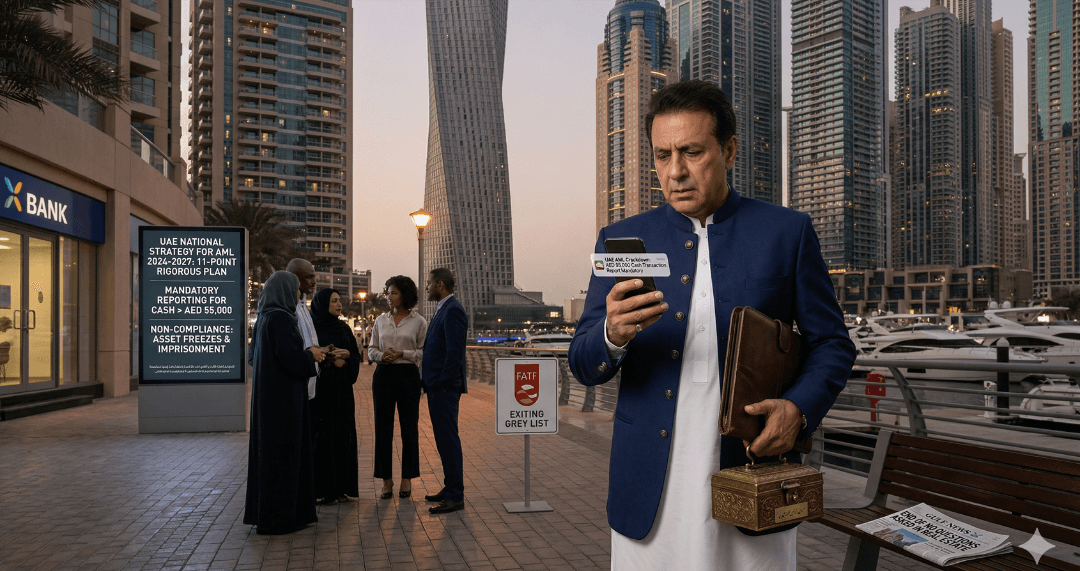
Dubai has served as the ultimate safety deposit box for Pakistan’s elite, a $12.5 billion offshore empire built on capital that fled the "fiscal guillotine" of Pakistan's industrial decline. But in 2026, the illusion of the safe haven has violently shattered.
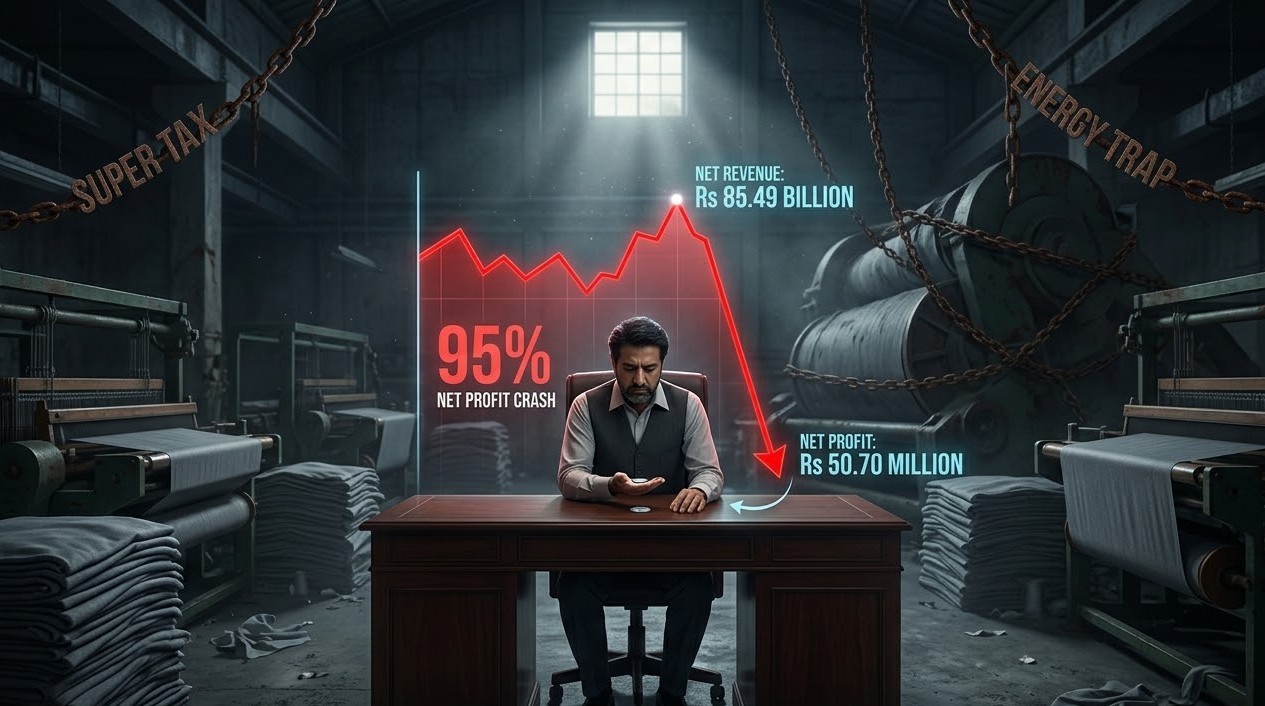
Is Pakistan’s textile industry sinking? Despite billions in revenue, Gul Ahmed’s profits have imploded by 95%, forcing a strategic retreat and mass layoffs in Landhi. Explore how irrational energy costs, a 10% Super Tax, and a "hollow revenue model" are hollowing out the backbone of the export economy and driving Pakistan's industrial elite to export their capital instead of their cloth.
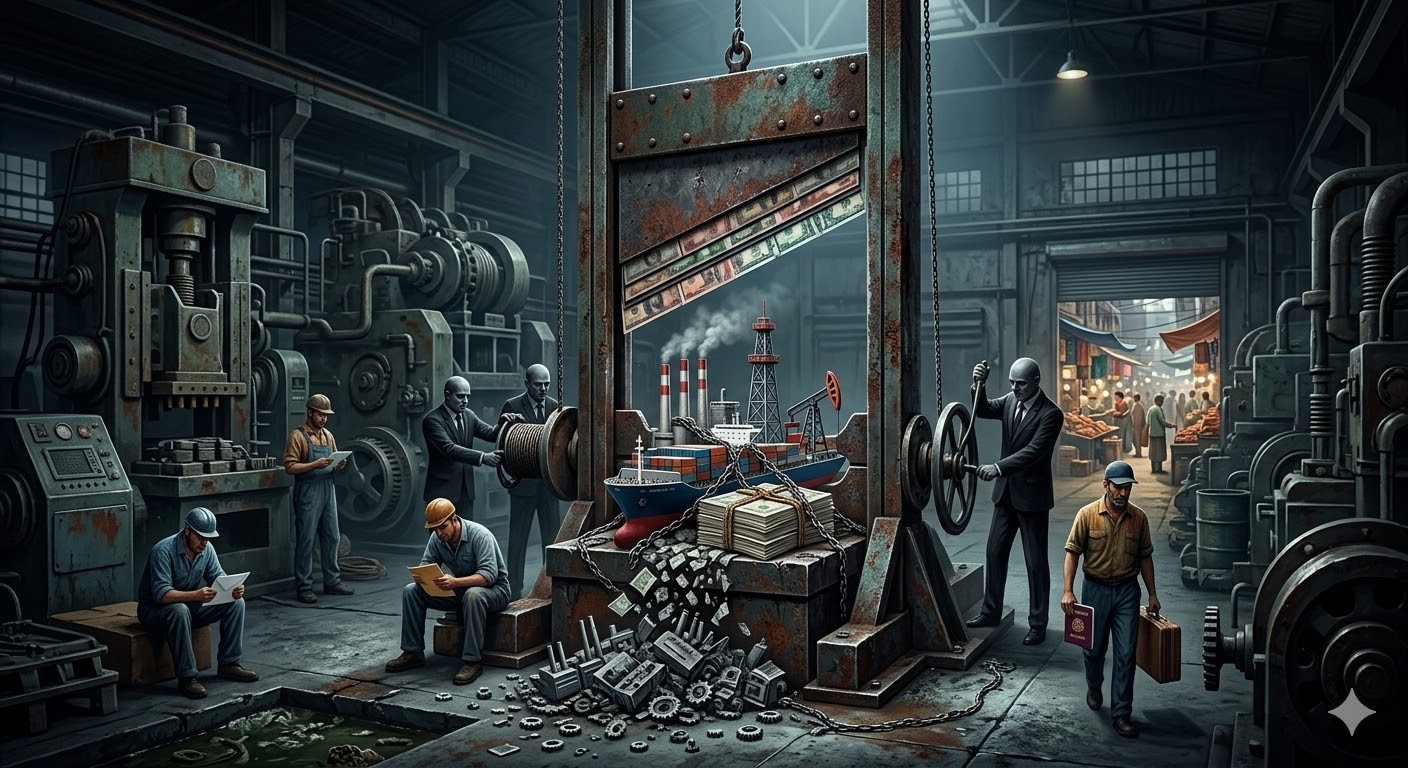
Pakistan’s “Super Tax” has evolved from a temporary fix into a permanent fiscal guillotine, pushing effective corporate rates to a crushing 40%. This predatory extraction is cannibalizing the documented sector, driving away global giants and triggering a massive brain drain of our brightest professionals. Unless the state stops treating its manufacturers as hostages, it will soon find its revenue targets built on the ashes of a hollowed-out economy.
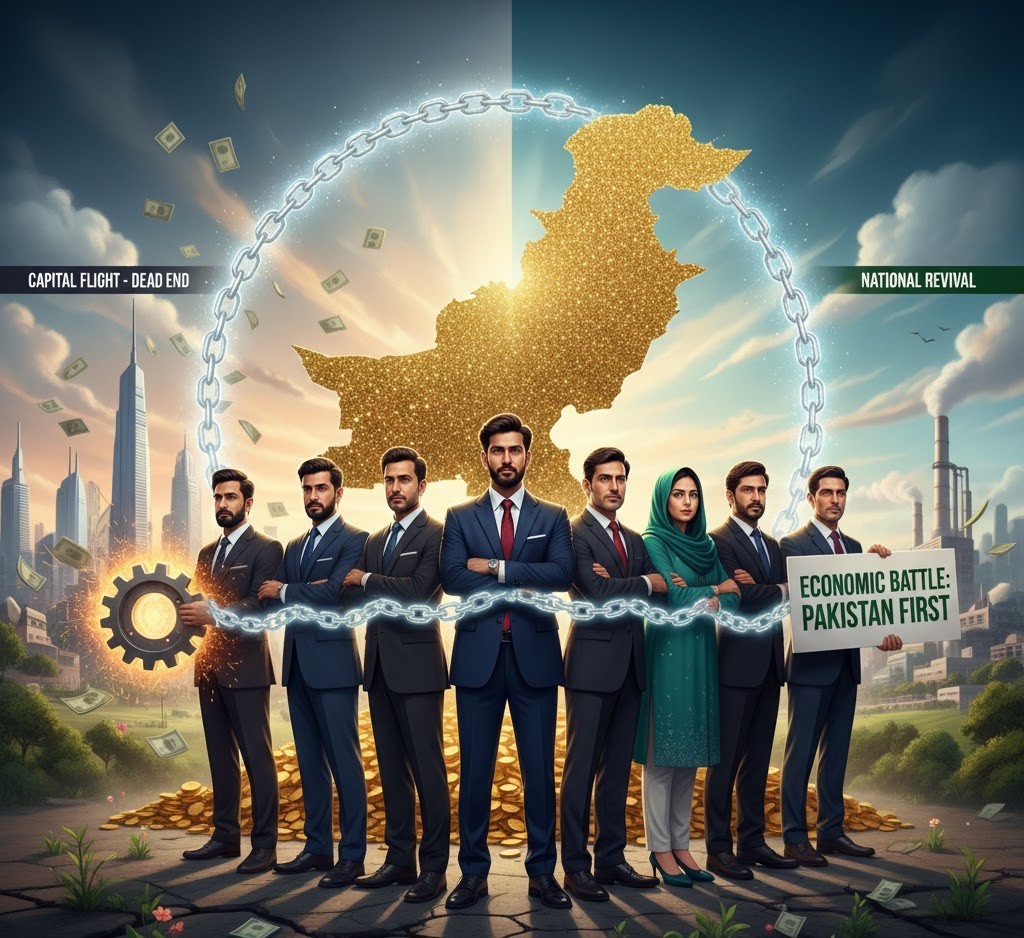
A powerful consensus is emerging among Pakistan’s business elite, linking Gohar Ijaz’s call to reject the 'Dubai hedge' with Fawad Anwar’s demand for policy reform. Together, they offer a unified ultimatum: the private sector is ready to drive national prosperity, but only if the state dismantles the structural barriers forcing capital abroad.
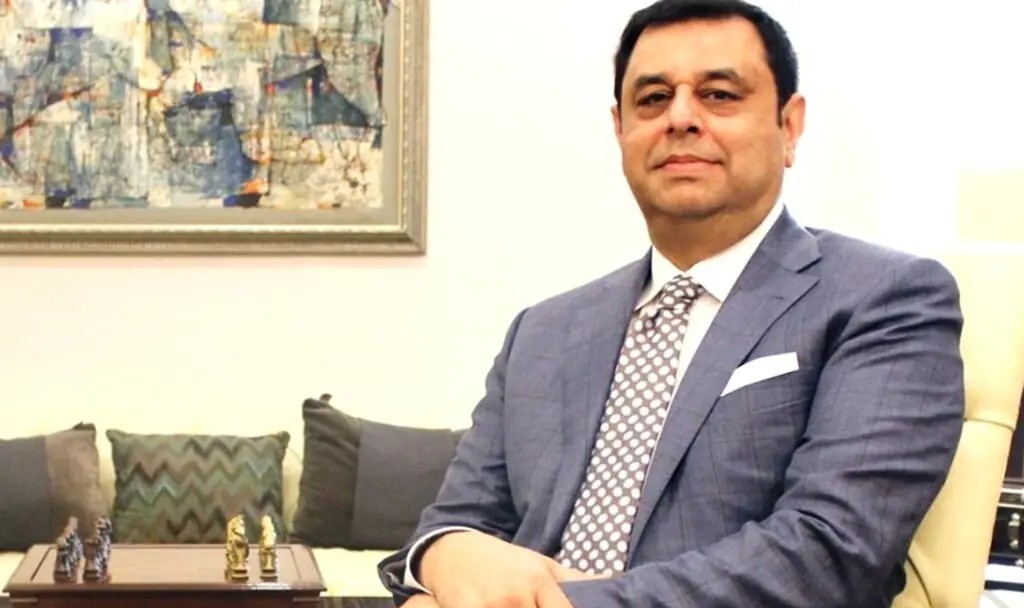
Despite rising export numbers, Pakistan’s textile sector is collapsing under the weight of 'profitless growth.' With energy costs nearly double the regional average and billions trapped in government refunds, viable factories are shutting down, risking a permanent loss of global market share to Vietnam and Bangladesh.
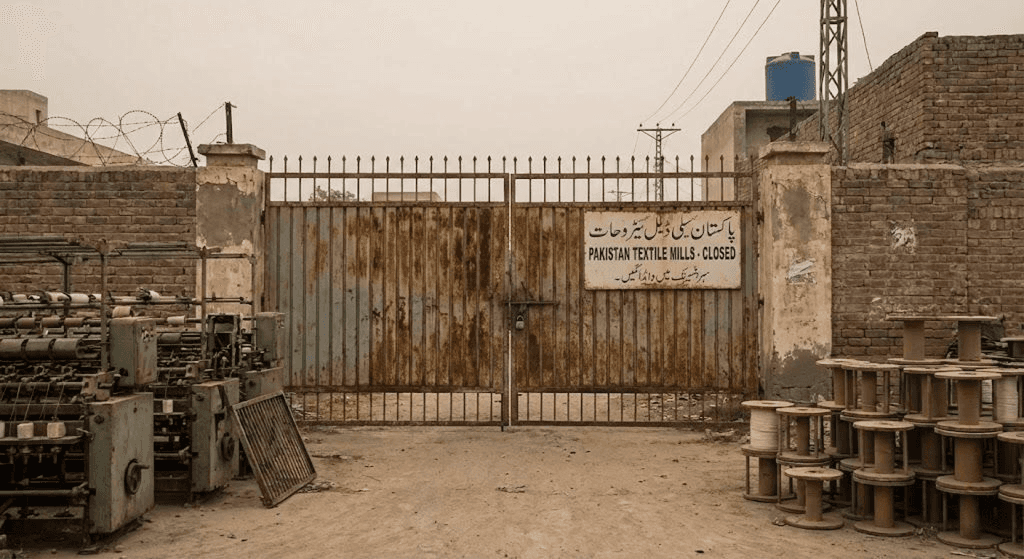
100+ Textile Units Shut Down: Is This the End of "Made in Pakistan"?
Dubai has served as the ultimate safety deposit box for Pakistan’s elite, a $12.5 billion offshore empire built on capital that fled the "fiscal guillotine" of Pakistan's industrial decline. But in 2026, the illusion of the safe haven has violently shattered.
Is Pakistan’s textile industry sinking? Despite billions in revenue, Gul Ahmed’s profits have imploded by 95%, forcing a strategic retreat and mass layoffs in Landhi. Explore how irrational energy costs, a 10% Super Tax, and a "hollow revenue model" are hollowing out the backbone of the export economy and driving Pakistan's industrial elite to export their capital instead of their cloth.
Pakistan’s “Super Tax” has evolved from a temporary fix into a permanent fiscal guillotine, pushing effective corporate rates to a crushing 40%. This predatory extraction is cannibalizing the documented sector, driving away global giants and triggering a massive brain drain of our brightest professionals. Unless the state stops treating its manufacturers as hostages, it will soon find its revenue targets built on the ashes of a hollowed-out economy.
A powerful consensus is emerging among Pakistan’s business elite, linking Gohar Ijaz’s call to reject the 'Dubai hedge' with Fawad Anwar’s demand for policy reform. Together, they offer a unified ultimatum: the private sector is ready to drive national prosperity, but only if the state dismantles the structural barriers forcing capital abroad.
Subscribe now to stay updated with top news!
Subscribe now to stay updated with all the top news, exclusive insights, and weekly highlights you won’t want to miss.
Subscribe now to stay updated with top news!
Subscribe now to stay updated with all the top news, exclusive insights, and weekly highlights you won’t want to miss.
Subscribe now to stay updated with top news!
Subscribe now to stay updated with all the top news, exclusive insights, and weekly highlights you won’t want to miss.