The "Pakistan First" Consensus: Tycoons Unite on a New Economic Patriotism
A powerful consensus is emerging among Pakistan’s business elite, linking Gohar Ijaz’s call to reject the 'Dubai hedge' with Fawad Anwar’s demand for policy reform. Together, they offer a unified ultimatum: the private sector is ready to drive national prosperity, but only if the state dismantles the structural barriers forcing capital abroad.

Liam Carter
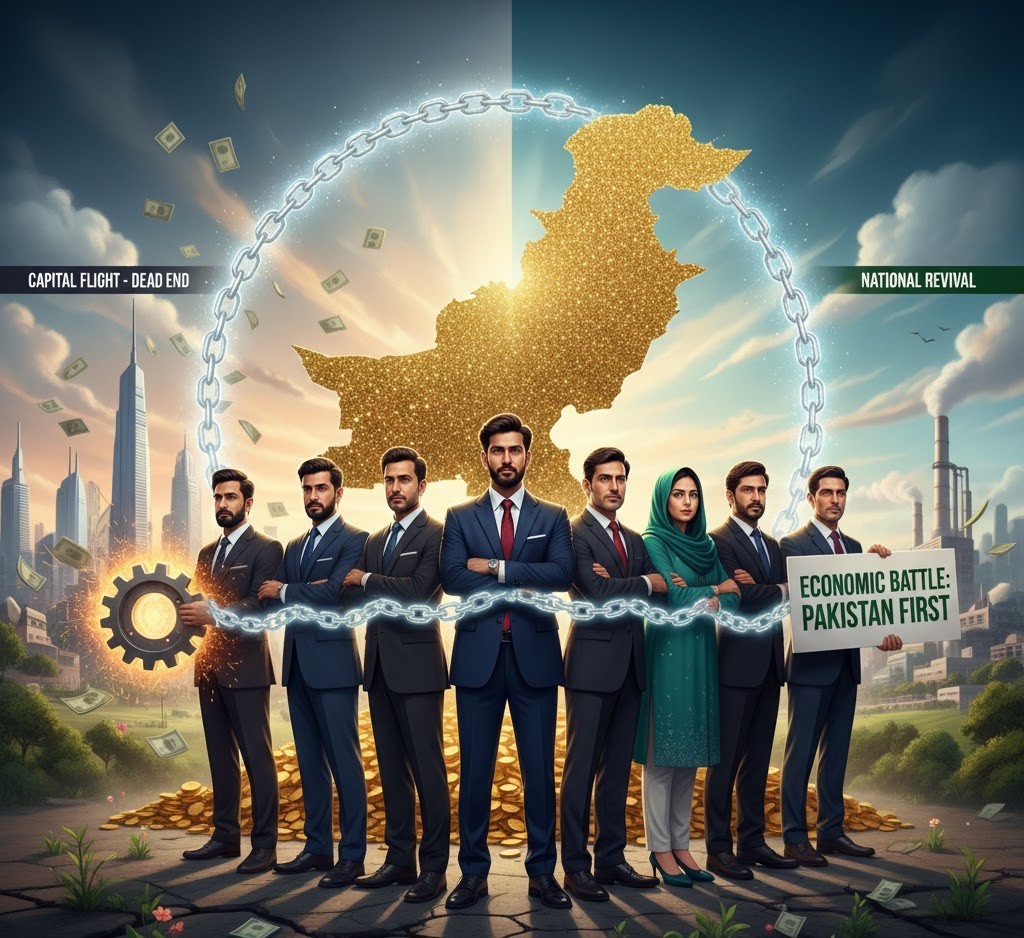
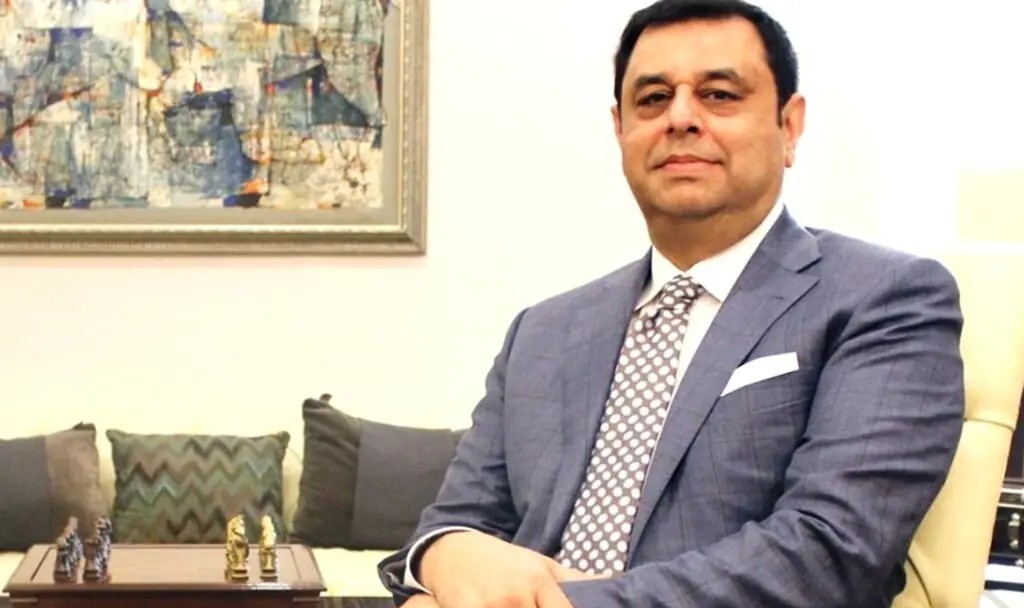
A powerful and synchronized narrative is emerging from Pakistan’s business elite, signaling a decisive shift from "survival mode" to "national revival." Within the span of just ten days, three prominent industry heavyweights, Former Minister Dr. Gohar Ijaz, Pakistan Textile Council Chairman Fawad Anwar, and Pakistan Business Forum (PBF) President Khawaja Mehboob-ur-Rehman, have issued remarkably similar calls to action. Their collective message forms a "silver link" of economic patriotism: the realization that capital flight is a dead end, and the only sustainable path forward is to fight for a prospering Pakistan from within.
This is not a series of isolated complaints, but a cohesive blueprint for national recovery offered by those with the most to lose.
The "Silver Link": From Capital Flight to Economic Battle
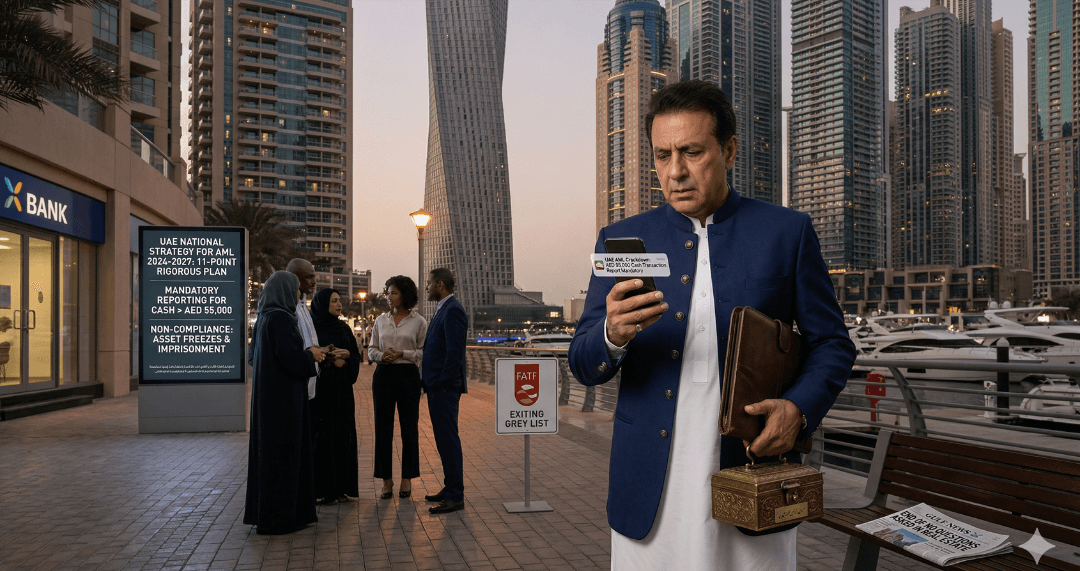
The thread connecting these leaders is the rejection of the "Dubai exit strategy." At a high-profile dinner on December 17, Dr. Gohar Ijaz set the moral tone, revealing that Pakistanis have already parked a staggering $100 billion in Dubai real estate, a sum that eclipses the nation's external debt. His message was a blunt appeal to conscience: "Pakistan is a gold mine... if this capital had remained in Pakistan, would our GDP growth be less than six percent?".
This sentiment was immediately reinforced on December 23 by Khawaja Mehboob-ur-Rehman, President of the Pakistan Business Forum. In an urgent letter to the Prime Minister, Rehman framed the current crisis not just as a business slump, but as a national imperative. Drawing a parallel to the military’s success against terrorism, he argued that while the nation has demonstrated strength on the security front, "the next critical challenge is winning the economic battle". Both leaders are driving at the same truth: the business community cannot be spectators or refugees; they must be the vanguard of this new battle.
The Condition for Victory: Policy, Not Charity
However, this "Pakistan First" commitment is not unconditional—it requires a state that stops sabotaging its own defenders. Here, the silver link extends to Fawad Anwar, who provides the "how" to Gohar and Khawaja’s "why."
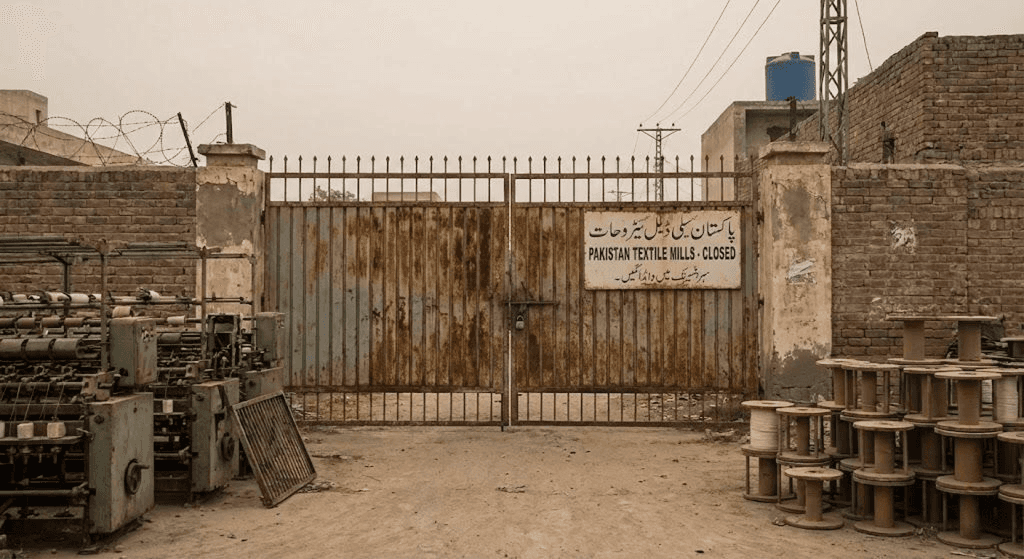
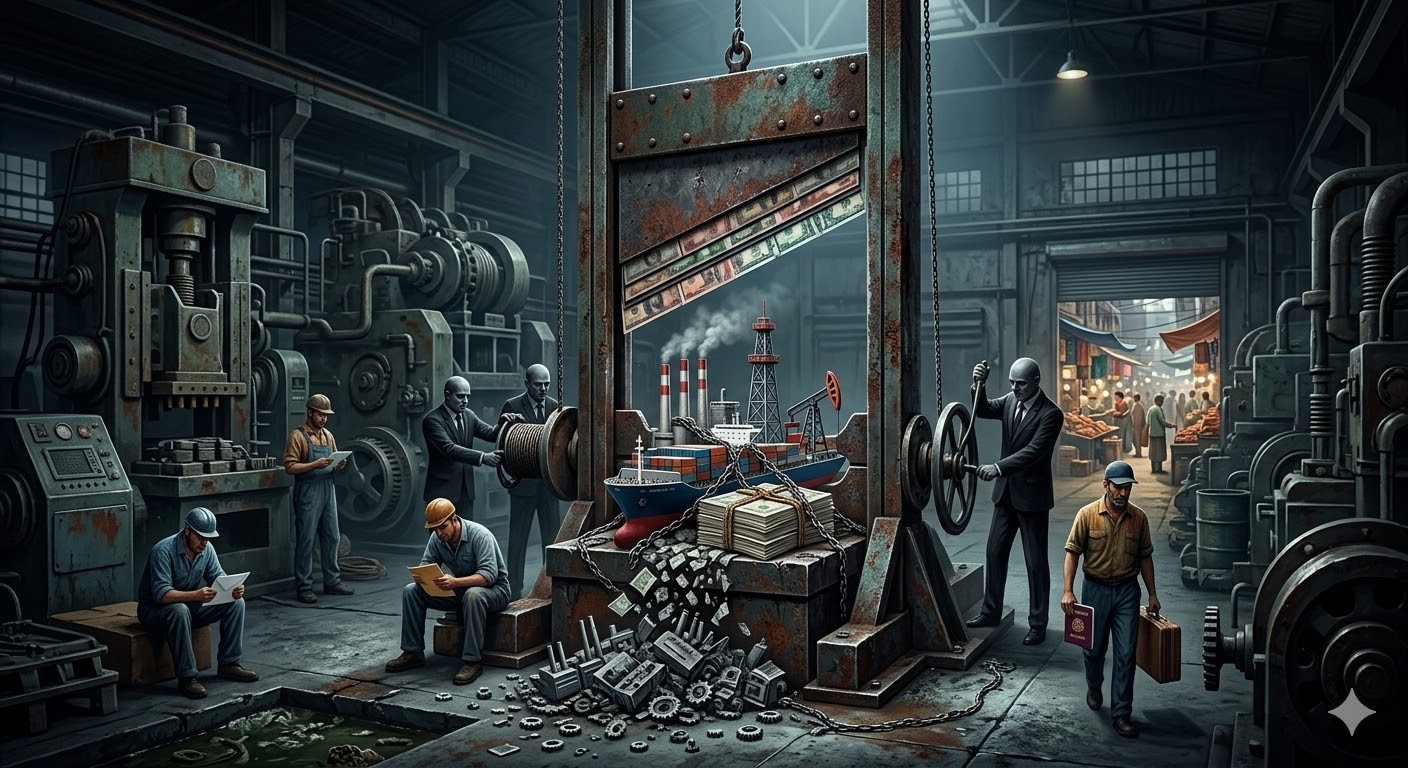
While Gohar Ijaz urges businessmen to bring their wealth back, Fawad Anwar and Khawaja Mehboob emphasize that the government must first dismantle the "policy-driven costs" that drove them away in the first place. Anwar’s warning that "Global buyers do not compensate suppliers for domestic policy distortions" is echoed perfectly by Rehman’s December 23 statement, which slammed the "artificial dollar control" and "uncompetitive tax regime" that are eroding industrial productivity.
Together, these three figures represent a maturing consensus. They are not asking for subsidies; they are demanding the removal of self-inflicted wounds, like 14-cent energy tariffs and stalled refunds, so they can answer Gohar Ijaz’s call to invest at home. The "silver link" is clear: Pakistan’s tycoons are ready to bet on their country, but they need the state to stop betting against them.
About

Featured Posts

Explore Topics