From Spindles to Storage: The End of an Era for Saritow Spinning Mills
Saritow Spinning Mills abandons manufacturing for warehousing, voting for a 'permanent shutdown' that marks a grim milestone in Pakistan’s industrial retreat.

Ava Mitchell
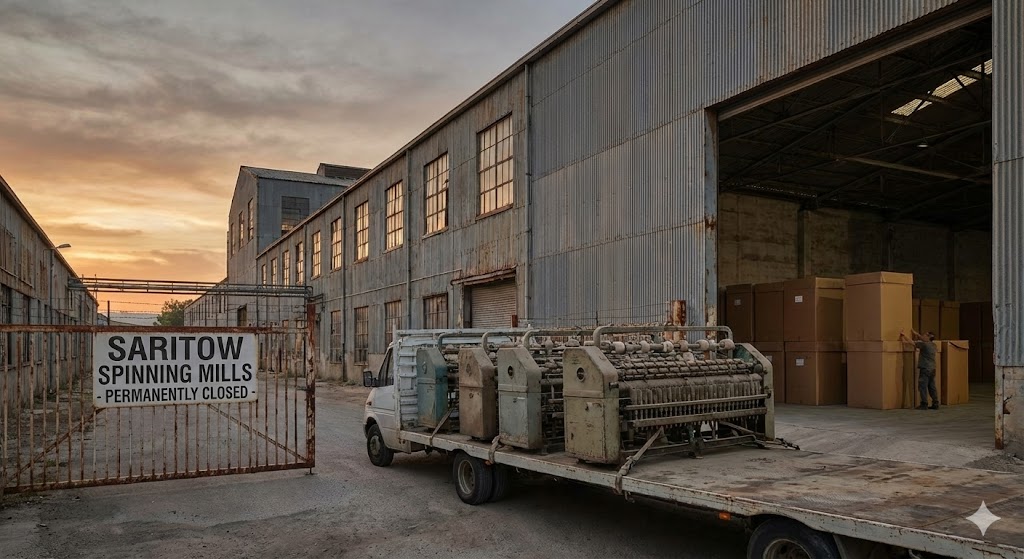
Saritow Spinning Mills has officially voted for a "permanent shutdown" of its core operations, signaling a grim milestone in Pakistan’s de-industrialization. Explore how a manufacturer is pivoting from value-added exports to passive warehousing.
The Finality of "Permanent Shutdown"
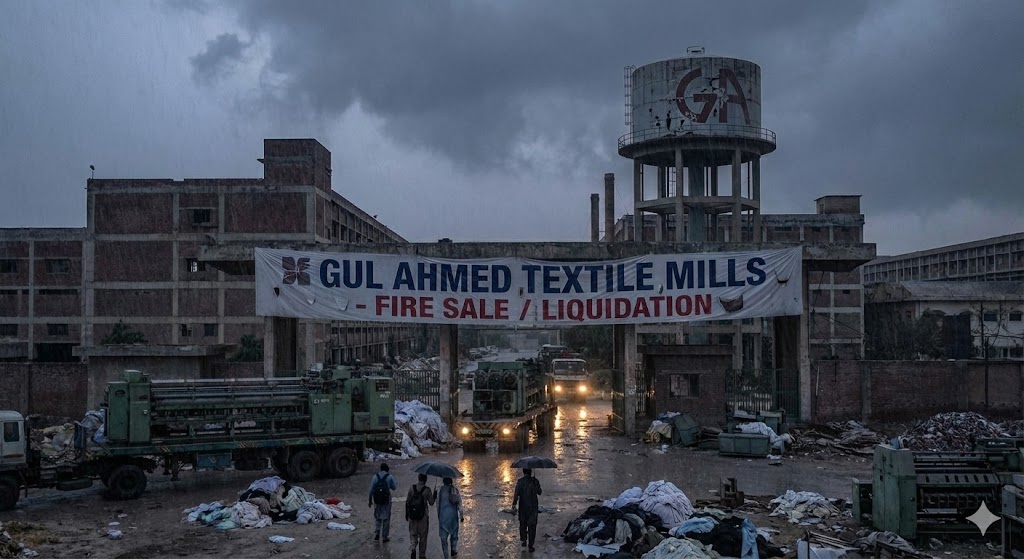
On October 30, 2025, the Board of Directors at Saritow Spinning Mills Ltd (SSML) made a decision that resonates far beyond its factory walls in Kasur. They did not vote for a temporary suspension. They did not vote for a restructuring.
They voted for the "permanent shutdown" of their core spinning operations.
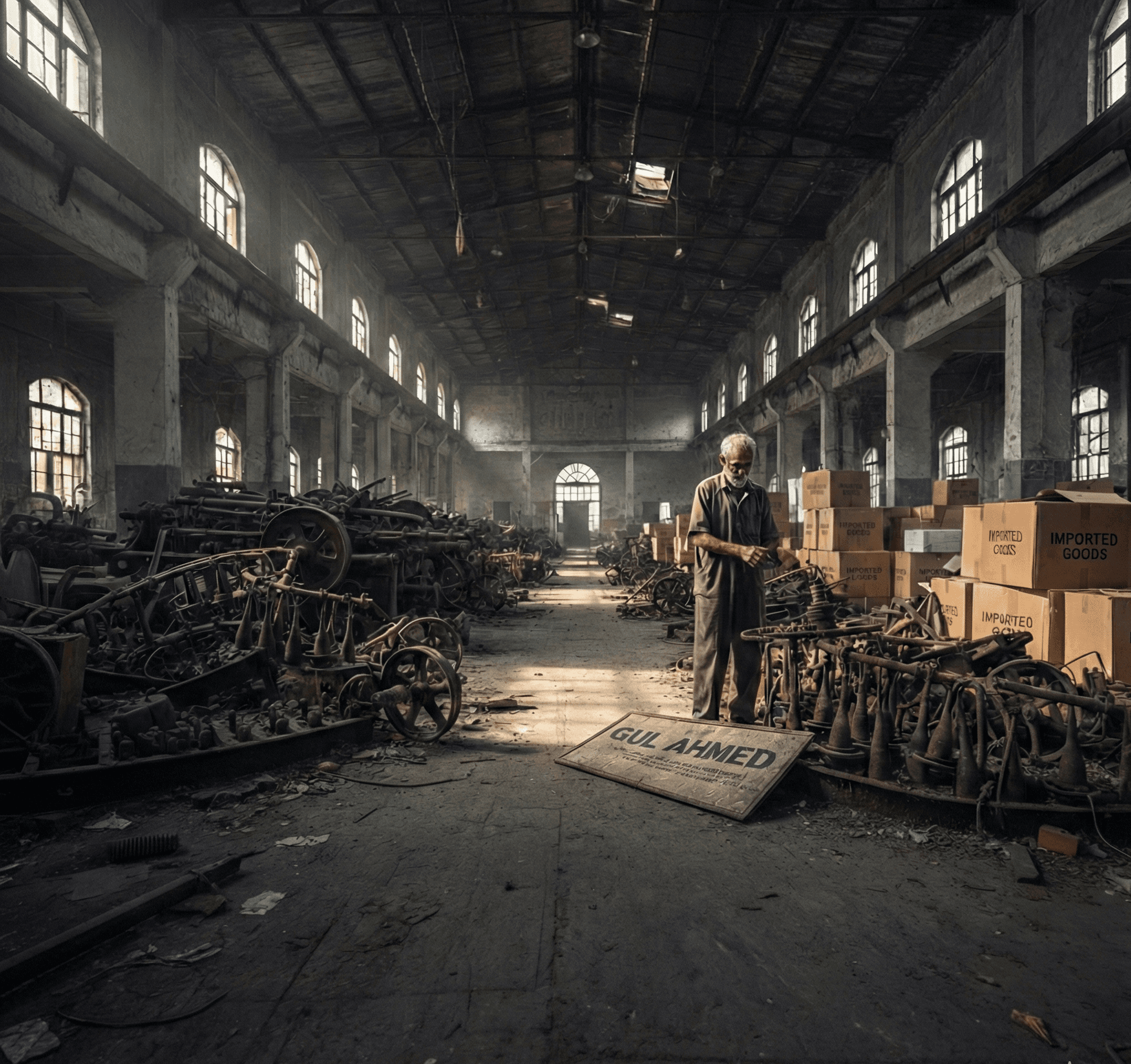
This decision marks a grim milestone. A manufacturer that once added value to raw cotton is now selling its machinery for scrap value (estimated at PKR 411.93 million) to pivot toward a business model that requires zero industrial innovation: Warehousing.
The Anatomy of Collapse
The death of Saritow’s spinning division was not sudden; it was a slow strangulation by market forces that the state failed to regulate.
The Financial Black Hole
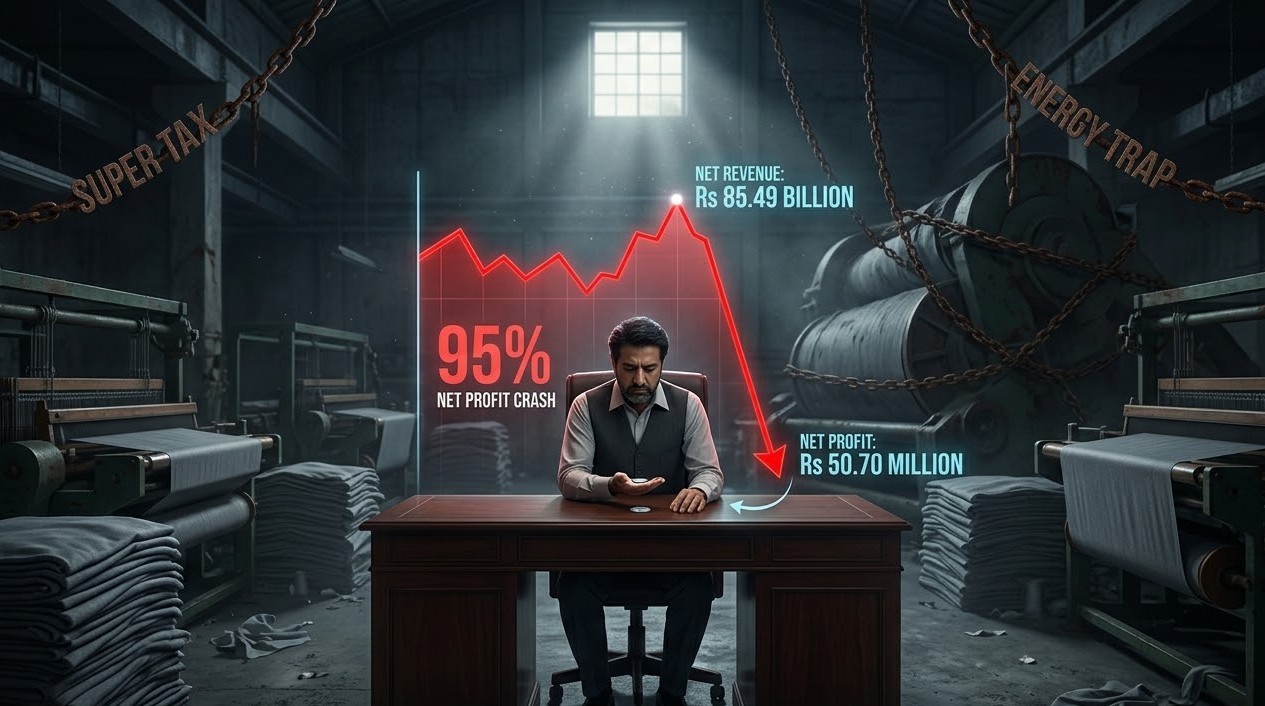
A snapshot of the company's recent financials reveals the impossibility of survival. By Q3 2025, the company reported a staggering net profit margin of –3,110%.
Negative EPS: Earnings per share had plunged deep into negative territory, signaling that for every unit of currency invested, the company was destroying value.
Cash Burn: The operation had become a capital-intensive furnace, burning cash on energy and wages without any hope of recovery.
The "Warehousing" Retreat
Perhaps the most damning indictment of Pakistan’s industrial climate is Saritow’s new strategy. The company is not upgrading technology to compete with Vietnam; it is converting its factory floors into rental storage.
When a textile mill decides it is more profitable to store other people’s goods than to make its own, the industrial ambition of the nation has effectively stalled.
The Wider Signal: A Sector in Retreat
Saritow is not an outlier; it is a trendsetter for a struggling tier of manufacturers. The "Kasur Cluster," once a hub of spinning activity, faces a future where factories are repurposed into logistics hubs for imported goods.
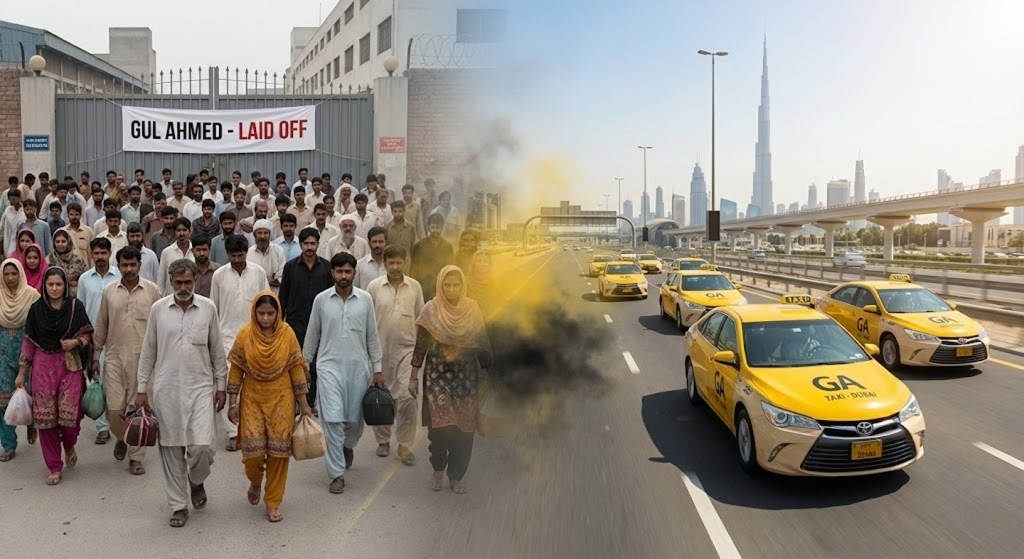
Job Losses: The transition from active manufacturing to passive warehousing implies a massive reduction in workforce. Spinning mills are labor-intensive; warehouses are not.
Supply Chain Disruption: Downstream textile units that relied on Saritow for yarn must now look to imports or surviving competitors, further tightening the local supply chain.
Conclusion: The Landlord Economy
Saritow Spinning Mills has survived, but only by ceasing to be an industrialist. It has survived by becoming a landlord. This transformation—from a creator of value-added exports to a passive rent-seeker—is the "down side" of the current crisis that no headline export number can quantify.
About

Featured Posts

Explore Topics