>

>

How Artificial Intelligence Is Transforming Corporate Decision-Making

How Artificial Intelligence Is Transforming Corporate Decision-Making

AI is reshaping corporate decision-making by providing data-driven insights, predictive analytics, and automation, enabling companies to make faster, smarter, and more strategic business choices.

Noah Sullivan

Artificial intelligence (AI) is revolutionizing corporate decision-making. By analyzing vast amounts of data, predicting trends, and automating processes, AI enables companies to make smarter, faster, and more strategic decisions.

Key Impacts of AI on Decision-Making

  • Predictive Analytics: Forecast market trends, customer behavior, and financial outcomes.

  • Data-Driven Insights: Extract actionable intelligence from complex datasets.

  • Automation of Routine Decisions: Free leaders to focus on strategic priorities.

  • Risk Assessment: Identify potential threats and opportunities with precision.

  • Enhanced Collaboration: AI tools support cross-departmental information sharing and coordination.

Benefits for Businesses

  • Faster Decision-Making: Reduce delays by automating data collection and analysis.

  • Improved Accuracy: Minimize human error through data-driven recommendations.

  • Strategic Advantage: Stay ahead of competitors by anticipating trends and market shifts.

  • Cost Efficiency: Optimize resources and reduce operational overhead.

  • Scalability: Support decision-making for growing organizations with complex operations.

Implementation Strategies

  • Integrate AI Tools: Deploy machine learning platforms for analytics and forecasting.

  • Invest in Talent: Train staff to leverage AI insights effectively.

  • Data Management: Ensure clean, accurate, and comprehensive datasets.

  • Pilot Programs: Start small to test AI applications before full-scale deployment.

  • Continuous Evaluation: Monitor AI performance and adjust models as needed.

Challenges and Considerations

  • Data Privacy: Protect sensitive corporate and customer information.

  • Bias in AI Models: Ensure algorithms are fair and unbiased.

  • Change Management: Encourage adoption and trust among employees.

  • Integration Complexity: Combine AI with legacy systems effectively.

  • Cost of Implementation: Initial investment in AI tools and infrastructure can be significant.

Future Outlook

  • AI-Augmented Leadership: Leaders will rely on AI for insight-driven strategies.

  • Real-Time Decision-Making: AI will enable instant responses to market changes.

  • Advanced Scenario Planning: Simulate multiple outcomes for more informed choices.

  • Cross-Industry Adoption: AI will influence finance, marketing, supply chains, and operations globally.

Conclusion

AI is transforming corporate decision-making by providing predictive insights, automation, and strategic guidance. Companies embracing AI gain a competitive edge, improve efficiency, and make more informed, impactful decisions.

About

Delivering independent journalism, thought-provoking insights, and trustworthy reporting to keep you informed, inspired, and engaged with the world every day.

Featured Posts

Related Post

Mar 27, 2026

/

Post by

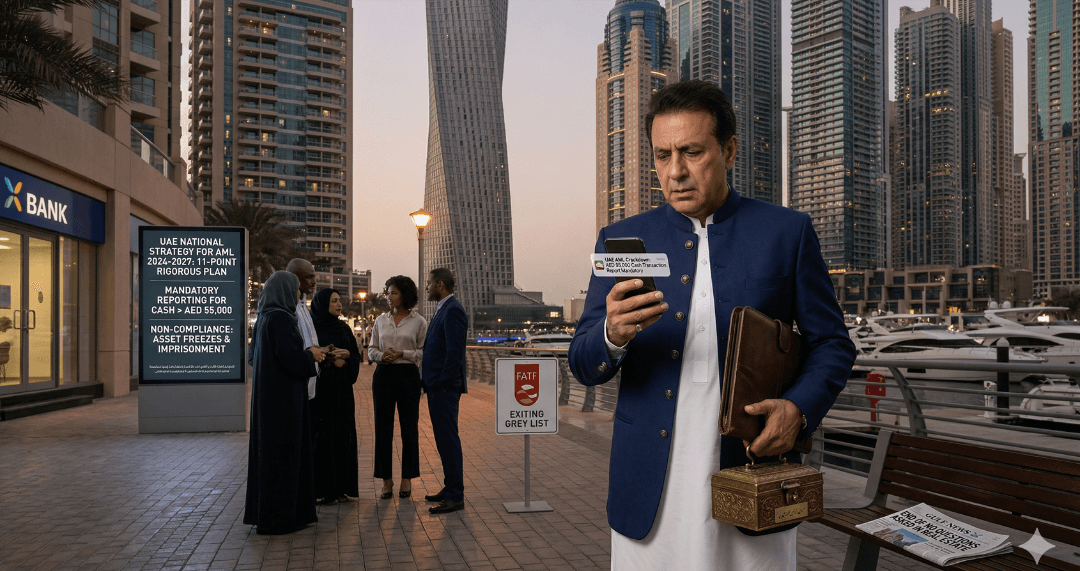
Dubai has served as the ultimate safety deposit box for Pakistan’s elite, a $12.5 billion offshore empire built on capital that fled the "fiscal guillotine" of Pakistan's industrial decline. But in 2026, the illusion of the safe haven has violently shattered.

Mar 26, 2026

/

Post by

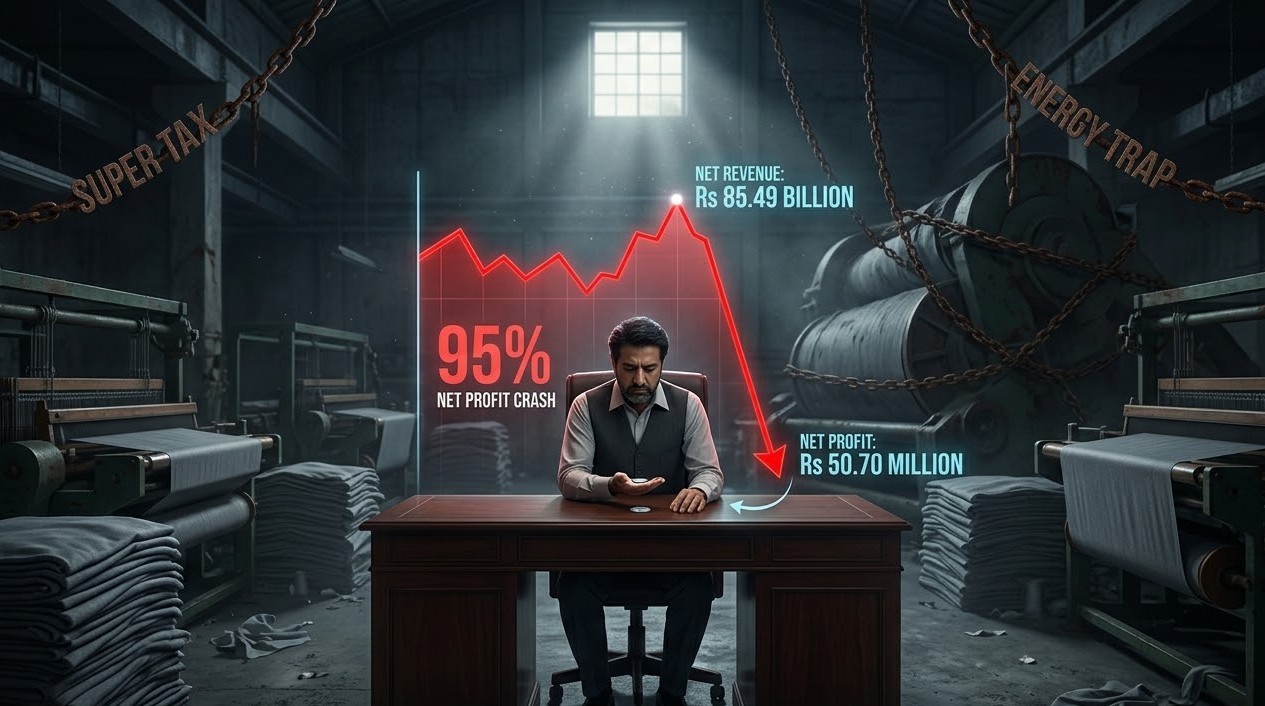
Is Pakistan’s textile industry sinking? Despite billions in revenue, Gul Ahmed’s profits have imploded by 95%, forcing a strategic retreat and mass layoffs in Landhi. Explore how irrational energy costs, a 10% Super Tax, and a "hollow revenue model" are hollowing out the backbone of the export economy and driving Pakistan's industrial elite to export their capital instead of their cloth.

Mar 25, 2026

/

Post by

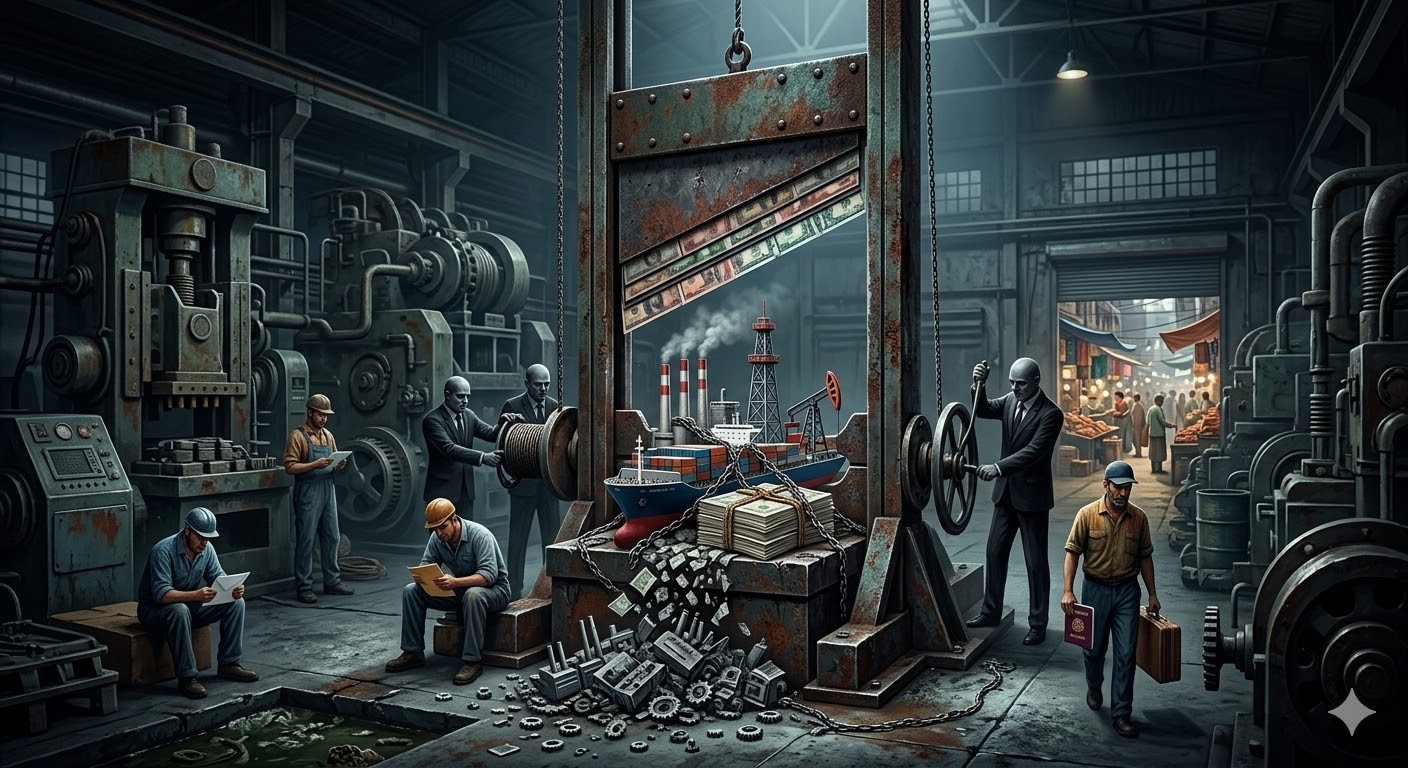
Pakistan’s “Super Tax” has evolved from a temporary fix into a permanent fiscal guillotine, pushing effective corporate rates to a crushing 40%. This predatory extraction is cannibalizing the documented sector, driving away global giants and triggering a massive brain drain of our brightest professionals. Unless the state stops treating its manufacturers as hostages, it will soon find its revenue targets built on the ashes of a hollowed-out economy.

Dec 24, 2025

/

Post by

A powerful consensus is emerging among Pakistan’s business elite, linking Gohar Ijaz’s call to reject the 'Dubai hedge' with Fawad Anwar’s demand for policy reform. Together, they offer a unified ultimatum: the private sector is ready to drive national prosperity, but only if the state dismantles the structural barriers forcing capital abroad.

Dec 17, 2025

/

Post by

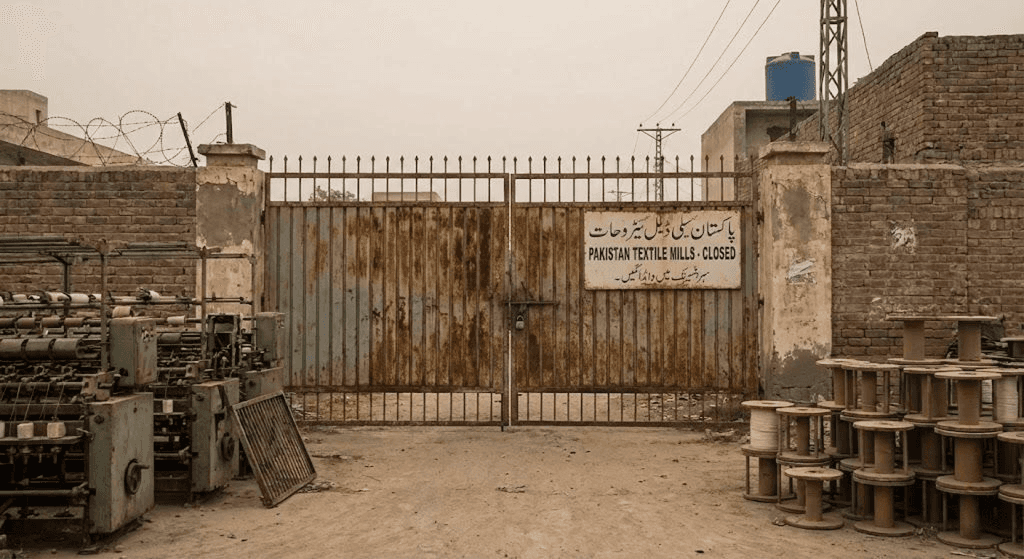
Despite rising export numbers, Pakistan’s textile sector is collapsing under the weight of 'profitless growth.' With energy costs nearly double the regional average and billions trapped in government refunds, viable factories are shutting down, risking a permanent loss of global market share to Vietnam and Bangladesh.

Nov 27, 2025

/

Post by

100+ Textile Units Shut Down: Is This the End of "Made in Pakistan"?

Mar 27, 2026

/

Post by

Dubai has served as the ultimate safety deposit box for Pakistan’s elite, a $12.5 billion offshore empire built on capital that fled the "fiscal guillotine" of Pakistan's industrial decline. But in 2026, the illusion of the safe haven has violently shattered.

Mar 26, 2026

/

Post by

Is Pakistan’s textile industry sinking? Despite billions in revenue, Gul Ahmed’s profits have imploded by 95%, forcing a strategic retreat and mass layoffs in Landhi. Explore how irrational energy costs, a 10% Super Tax, and a "hollow revenue model" are hollowing out the backbone of the export economy and driving Pakistan's industrial elite to export their capital instead of their cloth.

Mar 25, 2026

/

Post by

Pakistan’s “Super Tax” has evolved from a temporary fix into a permanent fiscal guillotine, pushing effective corporate rates to a crushing 40%. This predatory extraction is cannibalizing the documented sector, driving away global giants and triggering a massive brain drain of our brightest professionals. Unless the state stops treating its manufacturers as hostages, it will soon find its revenue targets built on the ashes of a hollowed-out economy.

Dec 24, 2025

/

Post by

A powerful consensus is emerging among Pakistan’s business elite, linking Gohar Ijaz’s call to reject the 'Dubai hedge' with Fawad Anwar’s demand for policy reform. Together, they offer a unified ultimatum: the private sector is ready to drive national prosperity, but only if the state dismantles the structural barriers forcing capital abroad.

Subscribe now to stay updated with top news!

Subscribe now to stay updated with all the top news, exclusive insights, and weekly highlights you won’t want to miss.

Subscribe now to stay updated with top news!

Subscribe now to stay updated with all the top news, exclusive insights, and weekly highlights you won’t want to miss.

Subscribe now to stay updated with top news!

Subscribe now to stay updated with all the top news, exclusive insights, and weekly highlights you won’t want to miss.