>

>

The Future of Remote Work and Global Business Trends Reshaping Industries

The Future of Remote Work and Global Business Trends Reshaping Industries

Remote work is transforming global business trends. Explore how flexible models, digital collaboration, and evolving workplace strategies are reshaping industries worldwide for the future.

Chloe Anderson

Remote work is no longer a temporary trend—it’s a fundamental shift in how businesses operate. Organizations are adopting flexible models, leveraging digital tools, and reshaping strategies to stay competitive globally.

Key Trends in Remote Work

  • Flexible Work Arrangements: Hybrid and fully remote models offer employees autonomy and better work-life balance.

  • Digital Collaboration Tools: Platforms like video conferencing, project management, and cloud software enable seamless teamwork.

  • Global Talent Pool: Companies can hire skilled professionals regardless of geographic location.

  • Performance Metrics and Analytics: Data-driven approaches help monitor productivity and outcomes.

  • Employee Wellbeing Focus: Mental health programs and work-life balance initiatives support sustainable performance.

Impacts on Industries

  • Technology and IT: Rapid adoption of cloud solutions and remote infrastructure.

  • Finance: Remote advisory and operations reduce overhead and expand client reach.

  • Healthcare: Telemedicine and remote monitoring enhance patient care.

  • Education and Training: Virtual classrooms and online learning are mainstream.

  • Professional Services: Consultancy, marketing, and design leverage global talent networks.

Benefits of Remote Work

  • Cost Savings: Reduced office space and operational expenses.

  • Increased Productivity: Flexibility often leads to more efficient work habits.

  • Talent Retention: Flexible work models improve employee satisfaction and loyalty.

  • Sustainability: Reduced commuting lowers carbon footprints and environmental impact.

  • Business Continuity: Remote operations support resilience during crises.

Challenges and Considerations

  • Communication Barriers: Maintaining effective collaboration requires intentional strategies.

  • Cybersecurity Risks: Remote work increases exposure to data breaches and cyberattacks.

  • Employee Engagement: Keeping teams motivated and connected is essential.

  • Work-Life Balance: Boundaries must be set to prevent burnout.

  • Cultural Differences: Managing diverse, global teams requires sensitivity and adaptability.

Future Outlook

  • Hybrid Models Dominate: Most companies will adopt a mix of in-office and remote work.

  • AI and Automation: Smart tools will streamline workflows and enhance productivity.

  • Global Workforce Integration: Borders become less relevant in hiring and collaboration.

  • Continuous Learning: Employees will need ongoing training to adapt to new technologies and workflows.

  • Redefining Workspaces: Offices will evolve into collaborative hubs rather than traditional workstations.

Conclusion

Remote work is reshaping industries worldwide, driving flexibility, global collaboration, and innovation. Businesses that embrace these trends strategically will remain competitive and resilient in the evolving global economy.

About

Delivering independent journalism, thought-provoking insights, and trustworthy reporting to keep you informed, inspired, and engaged with the world every day.

Featured Posts

Related Post

Mar 27, 2026

/

Post by

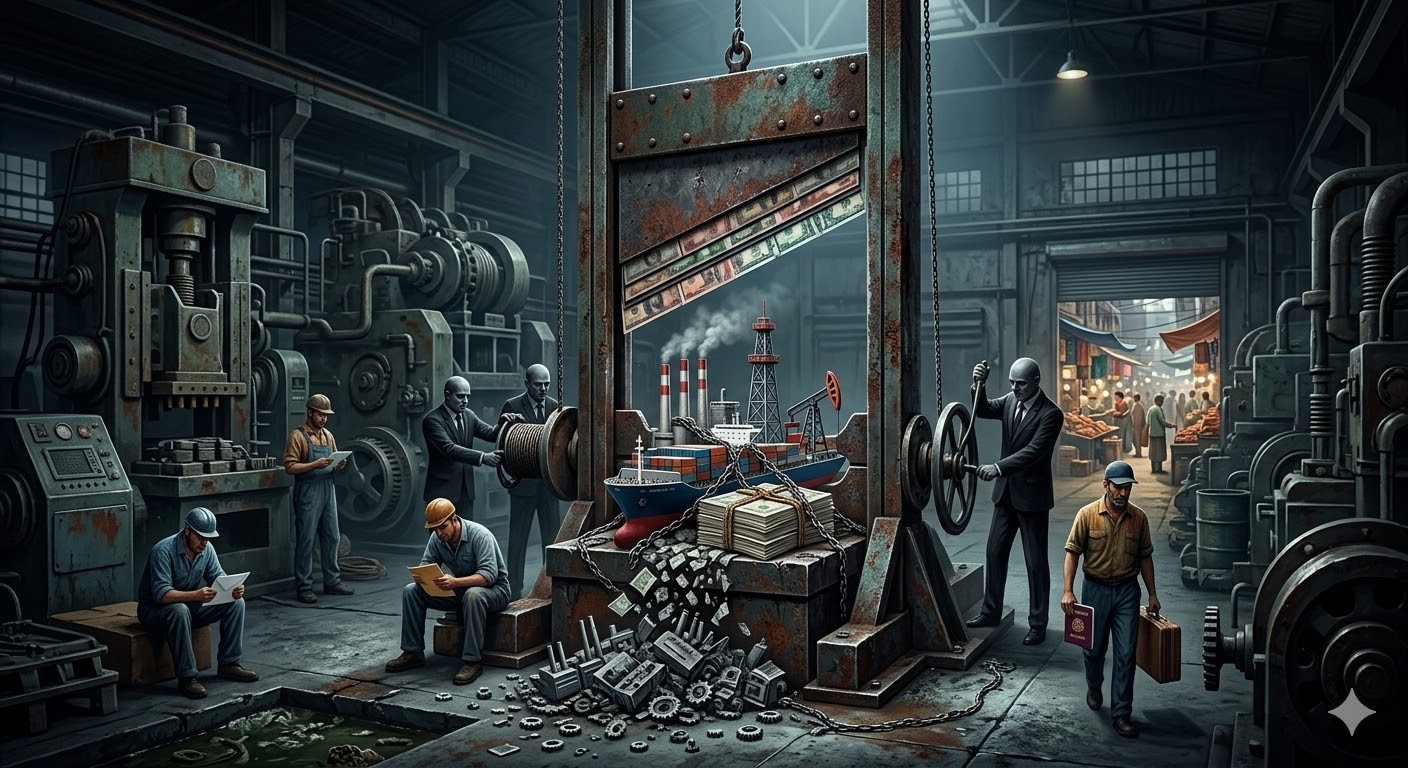
Dubai has served as the ultimate safety deposit box for Pakistan’s elite, a $12.5 billion offshore empire built on capital that fled the "fiscal guillotine" of Pakistan's industrial decline. But in 2026, the illusion of the safe haven has violently shattered.

Mar 26, 2026

/

Post by

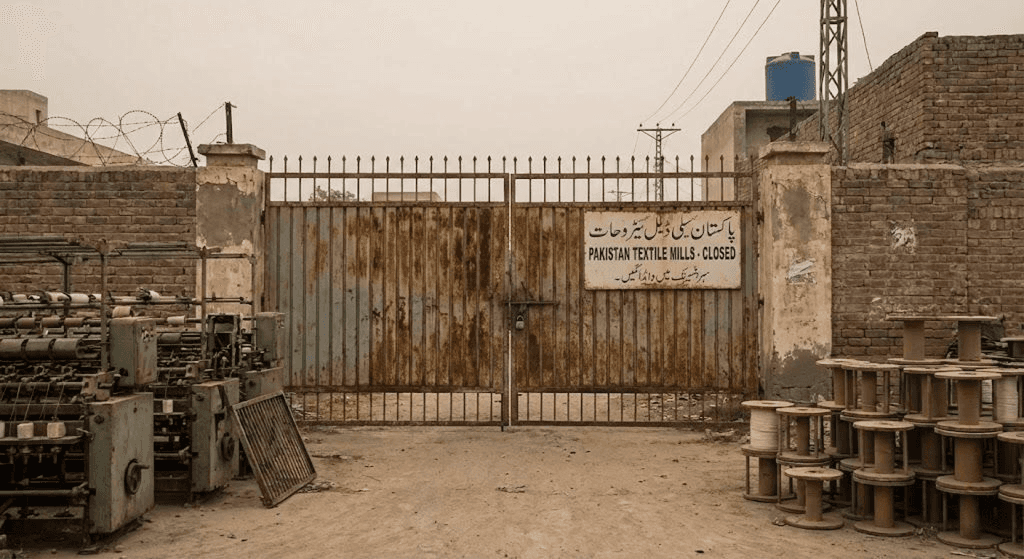
Is Pakistan’s textile industry sinking? Despite billions in revenue, Gul Ahmed’s profits have imploded by 95%, forcing a strategic retreat and mass layoffs in Landhi. Explore how irrational energy costs, a 10% Super Tax, and a "hollow revenue model" are hollowing out the backbone of the export economy and driving Pakistan's industrial elite to export their capital instead of their cloth.

Mar 25, 2026

/

Post by

Pakistan’s “Super Tax” has evolved from a temporary fix into a permanent fiscal guillotine, pushing effective corporate rates to a crushing 40%. This predatory extraction is cannibalizing the documented sector, driving away global giants and triggering a massive brain drain of our brightest professionals. Unless the state stops treating its manufacturers as hostages, it will soon find its revenue targets built on the ashes of a hollowed-out economy.

Dec 24, 2025

/

Post by

A powerful consensus is emerging among Pakistan’s business elite, linking Gohar Ijaz’s call to reject the 'Dubai hedge' with Fawad Anwar’s demand for policy reform. Together, they offer a unified ultimatum: the private sector is ready to drive national prosperity, but only if the state dismantles the structural barriers forcing capital abroad.

Dec 17, 2025

/

Post by

Despite rising export numbers, Pakistan’s textile sector is collapsing under the weight of 'profitless growth.' With energy costs nearly double the regional average and billions trapped in government refunds, viable factories are shutting down, risking a permanent loss of global market share to Vietnam and Bangladesh.

Nov 27, 2025

/

Post by

100+ Textile Units Shut Down: Is This the End of "Made in Pakistan"?

Mar 27, 2026

/

Post by

Dubai has served as the ultimate safety deposit box for Pakistan’s elite, a $12.5 billion offshore empire built on capital that fled the "fiscal guillotine" of Pakistan's industrial decline. But in 2026, the illusion of the safe haven has violently shattered.

Mar 26, 2026

/

Post by

Is Pakistan’s textile industry sinking? Despite billions in revenue, Gul Ahmed’s profits have imploded by 95%, forcing a strategic retreat and mass layoffs in Landhi. Explore how irrational energy costs, a 10% Super Tax, and a "hollow revenue model" are hollowing out the backbone of the export economy and driving Pakistan's industrial elite to export their capital instead of their cloth.

Mar 25, 2026

/

Post by

Pakistan’s “Super Tax” has evolved from a temporary fix into a permanent fiscal guillotine, pushing effective corporate rates to a crushing 40%. This predatory extraction is cannibalizing the documented sector, driving away global giants and triggering a massive brain drain of our brightest professionals. Unless the state stops treating its manufacturers as hostages, it will soon find its revenue targets built on the ashes of a hollowed-out economy.

Dec 24, 2025

/

Post by

A powerful consensus is emerging among Pakistan’s business elite, linking Gohar Ijaz’s call to reject the 'Dubai hedge' with Fawad Anwar’s demand for policy reform. Together, they offer a unified ultimatum: the private sector is ready to drive national prosperity, but only if the state dismantles the structural barriers forcing capital abroad.

Subscribe now to stay updated with top news!

Subscribe now to stay updated with all the top news, exclusive insights, and weekly highlights you won’t want to miss.

Subscribe now to stay updated with top news!

Subscribe now to stay updated with all the top news, exclusive insights, and weekly highlights you won’t want to miss.

Subscribe now to stay updated with top news!

Subscribe now to stay updated with all the top news, exclusive insights, and weekly highlights you won’t want to miss.